

How BIM Coordination Helps Construction Teams Prevent Costly Conflicts
Construction involves many teams working on the same building. Architects plan spaces, structural engineers design supporting elements, and MEP specialists develop mechanical, electrical, and plumbing systems. However, these systems must fit together within a limited amount of space. When different teams prepare their models separately, conflicts can remain hidden until construction begins. As a result, contractors may need to change installations, request design decisions, or repeat completed work. For construction projects in the United States, early coordination can help contractors manage complex building systems before they create problems on-site.
Why BIM Coordination Matters Before Construction
Professional BIM coordination services help project teams review models from different disciplines and identify potential conflicts. Instead of treating each design separately, we bring relevant information together for coordinated review. However, BIM coordination involves more than running clash detection software. Teams must understand construction requirements, evaluate reported conflicts, and assign responsibility for resolving them. For example, a duct may pass through the planned location of a structural beam. A digital model can reveal this issue, but the responsible designers and contractors must agree on an acceptable solution. Therefore, effective coordination combines technology with technical judgment and clear communication.
Understand the Main Types of BIM Conflicts
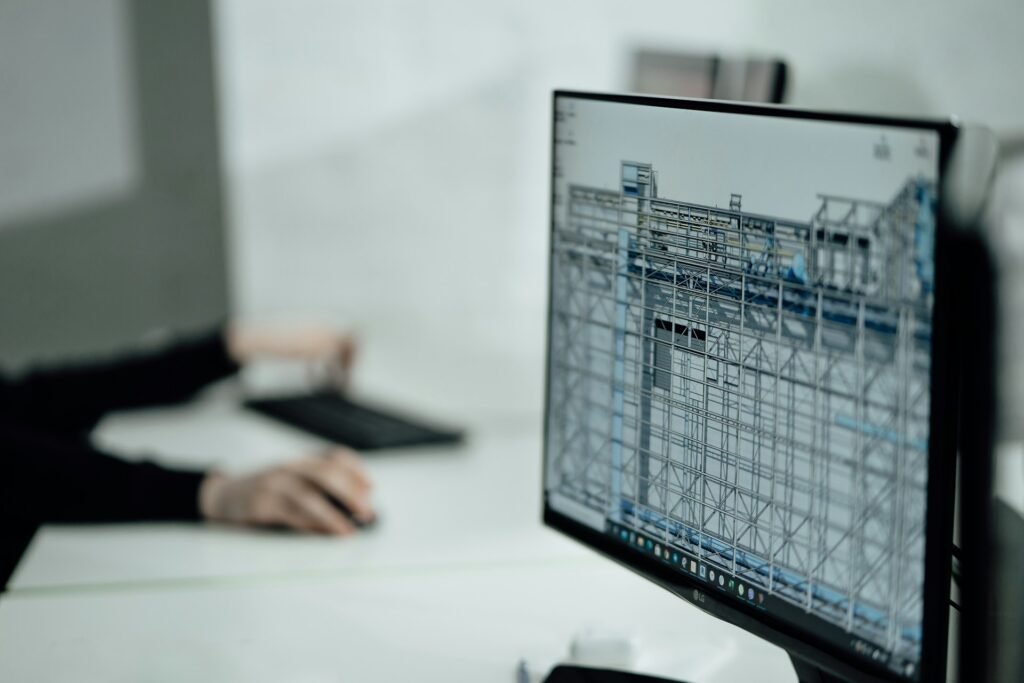
Not every coordination issue represents the same problem. Therefore, we should classify conflicts before deciding how to resolve them.
Physical Clashes
A physical clash occurs when two modeled objects occupy the same space. For example, a large pipe may intersect a concrete column. Since both components cannot occupy the same location, the team must review the design. However, the correction may require approval from a responsible engineer.
Clearance Conflicts
Some systems need space for access, maintenance, or safe operation. A mechanical unit may fit inside a room but leave insufficient clearance for future servicing. Therefore, we should review required access zones rather than focus only on visible collisions.
Construction Sequence Conflicts
Two systems may fit in their final positions but create installation problems. For example, a large equipment item may need to enter the building before nearby walls close. Therefore, coordination should consider access routes and construction sequence where the project requires them.
Establish Reliable Models Before Coordination
A coordination review can produce misleading results when the models contain outdated information.
Therefore, we should check the source files before combining them.
Confirm Model Revisions
Each discipline should provide the agreed model revision and issue date. However, teams sometimes continue using older files because a new issue has not reached everyone. A controlled model register helps reduce this risk.
Align Coordinates and Levels
Models must share a suitable coordinate system and agreed reference levels. Otherwise, correctly designed components may appear to clash because the files do not align. Therefore, teams should verify project coordinates before conducting detailed reviews.
Agree on the Required Model Detail
A model intended for early design review may not contain enough information for installation coordination. We should define which elements need modeling and what level of information the project requires. However, unnecessary detail can also create extra work without improving decisions.
Follow a Structured Clash Detection Process
Clash detection software can compare model elements and identify possible conflicts. However, an automatic report may include duplicate, minor, or irrelevant clashes. Therefore, we should follow a review process that focuses on construction impact.
Group Conflicts by System
Separating structural, architectural, and MEP conflicts can help teams understand the problem. For example, structural-to-mechanical clashes may need different reviewers from plumbing-to-electrical conflicts. This approach also supports clearer issue ownership.
Prioritize Important Problems
Not every clash deserves equal attention. A conflict involving a major structural element may require an immediate decision. Meanwhile, a small visual overlap may have little construction impact. Therefore, we should prioritize issues based on safety, constructability, access, and project dependencies.
Track Resolutions
Each important issue should have an owner, status, and agreed action. However, marking an issue as complete without checking the updated model can leave the conflict unresolved. We should verify corrections before closing coordination items.
Connect BIM Coordination With Design Decisions
Coordination teams identify conflicts, but they do not automatically hold authority to change the approved design. Therefore, we should maintain a clear decision process.
Know Who Approves Changes
An architect may need to approve a layout adjustment, while the structural engineer may need to review changes near load-bearing elements. Similarly, MEP designers may need to confirm revised equipment or system routes. We should involve the responsible parties before treating a proposed solution as final.
Use RFIs When Information Is Missing
A request for information can help resolve unclear design requirements. However, an RFI should describe the problem and provide enough context for a useful answer. We should include relevant drawings, model views, dimensions, and the decision required.
Why BIM Consulting Supports Better Project Planning
A professional BIM consulting service may help teams establish modeling requirements, coordinate information exchange, and define practical review workflows. However, the scope should reflect the project rather than rely on one standard approach for every building. A hospital, for example, may involve extensive mechanical systems and strict equipment access needs. Meanwhile, a smaller commercial building may require a simpler coordination process. We should define the expected deliverables before assigning the work.
Develop a BIM Execution Plan
A BIM execution plan can explain model responsibilities, file naming, exchange schedules, and coordination procedures. Therefore, project participants understand how digital information should move between teams. However, the plan must remain practical enough for everyday use.
Create a Coordination Meeting Schedule
Regular coordination meetings provide a place to review unresolved issues. We should focus each meeting on decisions, ownership, and the next actions. Long reports without clear responsibilities rarely improve construction readiness.
Use BIM Models to Review Installation Space
A coordinated model can help teams examine crowded ceiling areas, service rooms, and other complex locations. However, the model must represent the relevant sizes and clearances accurately.
Mechanical Systems
Ductwork, pipes, and equipment often compete for space above ceilings. Therefore, we should review elevations, insulation allowances, and installation access.
Electrical Systems
Cable trays, conduits, and electrical equipment require suitable routing. However, some systems also need dedicated access and clearance areas. We should coordinate these requirements with the responsible electrical team.
Structural Systems
Beams, columns, braces, and concrete openings influence where other systems can pass. For construction projects in the United States, we should also account for applicable project specifications and the requirements established by the responsible design professionals.
Understand the Relationship Between Modeling and Coordination
A coordination process depends on suitable digital information. Professional BIM modeling services can support the creation or development of architectural, structural, and MEP models according to project requirements. However, creating a model and resolving design conflicts are separate tasks. We should define whether the service includes model development, federation, clash review, issue tracking, or a combination of these activities.
Model Accuracy Matters
An attractive digital model may still contain incorrect dimensions. Therefore, teams should verify important information against the current project documents.
Maintain Consistent Model Updates
As design changes occur, model information should reflect approved revisions. However, an update in one discipline can affect nearby systems. We should repeat coordination checks when major changes occur.
Common BIM Coordination Mistakes
One common mistake is beginning clash detection before checking model alignment. Another is reporting hundreds of clashes without identifying which ones require action. Some teams also treat coordination software as a replacement for design review. However, software cannot determine every engineering or construction requirement.
Avoid Unclear Responsibilities
If no one owns an issue, the problem may remain open. Therefore, we should assign a responsible party and target review date.
Do Not Ignore Access Requirements
A system may fit geometrically but remain difficult to install or maintain. We should examine practical access conditions when reviewing the model.
Keep Approved Decisions Visible
Coordination meetings often produce important decisions. However, these decisions lose value when teams do not record and distribute them. A controlled issue log can help maintain consistency.
Choosing BIM Coordination Support
Contractors and developers should compare service providers based on project experience, technical capability, and communication methods. We should ask how the provider receives models, validates information, tracks issues, and manages revisions. However, the proposal should distinguish coordination services from engineering approval and design responsibility. The team should also explain expected reporting formats and the schedule for model exchanges.
Final Thoughts
BIM coordination helps construction teams identify potential conflicts before those issues affect field work. However, successful coordination requires accurate models, clear responsibilities, regular reviews, and timely design decisions. For projects across the United States, we should introduce coordination early enough to influence planning and continue reviewing changes as construction information develops. By treating coordination as a shared construction process rather than a software task, teams can improve communication and make more informed installation decisions.
Frequently Asked Questions About BIM Coordination
1. What is BIM coordination in construction?
BIM coordination is the process of reviewing architectural, structural, and MEP models together to identify potential conflicts. It helps construction teams understand how building systems interact and resolve design issues before installation begins.
2. How does BIM coordination help reduce construction costs?
BIM coordination can reduce costs by identifying design conflicts before they cause on-site problems. Moreover, early issue resolution can help prevent unnecessary material waste, installation delays, and expensive rework during construction.
3. What is the difference between BIM coordination and clash detection?
Clash detection uses software to identify physical overlaps and potential conflicts between building elements. However, BIM coordination is a broader process that includes reviewing clashes, assigning responsibilities, communicating solutions, and verifying model updates.
4. Which building systems are included in BIM coordination?
BIM coordination commonly covers architectural, structural, mechanical, electrical, and plumbing systems. These include beams, columns, ductwork, pipes, cable trays, and equipment. However, the exact coordination scope depends on project requirements and available models.
5. When should BIM coordination start in a construction project?
BIM coordination should begin early enough to influence design development and construction planning. However, coordination should continue as models change. Regular reviews help teams identify new conflicts before they affect fabrication or installation.
 Admin