
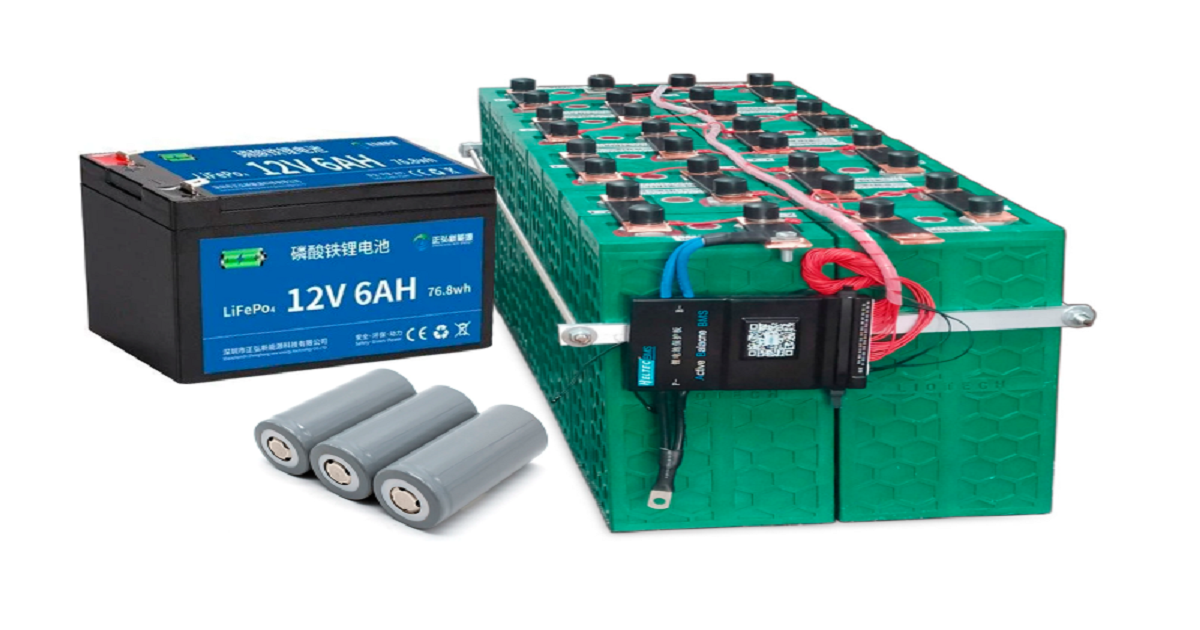
LiFePO4 Battery Price in Pakistan, load-shedding, rising electricity tariffs and the boom in rooftop solar have pushed lithium iron phosphate batteries into thousands of Pakistani homes, shops and factories. But a hot market attracts shady sellers. If you are researching LiFePO4 Battery Price in Pakistan, you have probably seen listings that look too good to be true. Most of them are.
This guide explains what you should realistically pay, how to spot the five most common fake deals, and how to buy with confidence. It is written for homeowners, solar installers and small business owners across Lahore, Karachi, Islamabad, Faisalabad and beyond.
Why LiFePO4 Batteries Are Winning in Pakistan
Lithium iron phosphate (LFP) batteries have largely replaced tubular lead-acid units in modern solar setups. The reasons are practical:
- Longer life: Quality cells deliver 4,000 to 6,000 cycles, while a typical tubular battery manages 500 to 1,000.
- Deeper usable capacity: You can use 80 to 90 percent of the rated capacity without damaging the battery.
- Heat tolerance: LFP chemistry is more stable than other lithium types, which matters in Pakistan’s summers.
- Low maintenance: There is no water topping up, no acid fumes and no terminal corrosion.
The upfront cost is higher, but the cost per cycle is usually much lower. That is exactly why counterfeiters target this segment.
How LiFePO4 Battery Price in Pakistan Is Really Calculated
Before you can spot a fake deal, you need to know what a fair price looks like. The cost of a lithium iron phosphate battery depends on four things:
1. Cell Grade and Origin
Grade A prismatic cells from established manufacturers cost far more than recycled or B-grade cells. Cell quality is the single biggest factor in price and lifespan.
2. Battery Management System (BMS)
A good BMS protects against overcharge, over-discharge, short circuits and temperature extremes. Cheap units often use undersized or fake BMS boards.
3. Capacity and Voltage
As a rough, indicative guide (prices change with the dollar rate, import duties and demand, so always request a current quotation):
- 12.8V 100Ah: roughly Rs. 55,000 to Rs. 90,000
- 24V 100Ah: roughly Rs. 110,000 to Rs. 170,000
- 48V 100Ah (about 5 kWh) rack or wall-mount: roughly Rs. 280,000 to Rs. 450,000
4. Warranty and After-Sales Support
A seller who offers a real 5 to 10 year warranty with local service must price that risk in. A rock-bottom price usually means no genuine support.
If a quote sits 30 to 40 percent below the market range, something has been cut. Now let’s look at what.
5 Fake Deals to Avoid Before You Pay
Fake Deal 1: The “Too Good to Be True” Price
A 48V 100Ah battery advertised at half the market rate is rarely a clearance sale. It is usually built from B-grade, mismatched or reclaimed cells, sometimes salvaged from old electric vehicle packs.
Example: A buyer in Gujranwala paid a deposit for a “5 kWh” battery at a suspiciously low price. After three months, the usable capacity had dropped below 3 kWh because of unbalanced cells.
Tip: Compare at least three quotations. If one is dramatically lower, ask for cell datasheets and batch test reports.
Fake Deal 2: Inflated Ah Ratings
This is the most common trick. The label says 200Ah, but the actual capacity is closer to 120Ah. The sticker is printed, not tested.
How to check:
- Ask for a capacity test report or a discharge test in front of you.
- Calculate energy: voltage × Ah ÷ 1000 = kWh. A 51.2V 100Ah battery should be about 5.12 kWh.
- Check the weight. Real LFP cells are heavy, and a “200Ah” battery that feels like a toy is suspicious.
Fake Deal 3: Fake or Weak BMS Protection
Some sellers fit a basic circuit board that looks like a BMS but offers no real protection, or they advertise a “200A smart BMS” that cannot handle 50A continuously.
Warning signs:
- No communication port (RS485 or CAN) for inverter compatibility
- No Bluetooth or app monitoring on models claiming “smart” features
- Heating at the terminals during moderate loads
A poor BMS is not just a performance problem. It is a safety risk for your home.
Fake Deal 4: Paper-Only Warranties
“10-year warranty” looks great on a brochure, but warranties only matter if someone answers the phone. Fly-by-night importers often vanish after a few months.
What to verify:
- A registered business address and NTN
- A written warranty card with serial numbers
- A clear process for replacement, including who pays for transport and testing
- Reviews from verified buyers, not just social media comments
Ask one direct question: “Where is your service center, and who will inspect the battery if it fails?”
Fake Deal 5: Rebranded, Refurbished or Used Batteries
Rebranded packs carry a new sticker over an older label. Refurbished ones use old cells with fresh cases. Both are sold as “brand new” at a small discount that tempts buyers.
How to protect yourself:
- Check serial numbers and manufacturing dates on both the cell and the pack
- Look for scratches, re-welded busbars or uneven cell labels
- Insist on an original invoice and packing details
- Buy from an authorized dealer who can prove supply-chain legitimacy
What Affects LiFePO4 Pricing in Pakistan Right Now?
Several local factors move the market, and understanding them helps you time your purchase.
Exchange Rate and Import Costs
Nearly all cells are imported, so fluctuations in the rupee-dollar rate directly affect lithium battery cost in Pakistan. Customs duties, freight and clearing charges add further layers.
Solar Demand Cycles
Prices tend to rise just before summer and during periods of heavy load-shedding, when demand spikes. Buying in a quieter season can save money.
Inverter Compatibility
A cheaper battery that does not communicate with your hybrid inverter may force you to run in a limited mode, which reduces its real value. Always check compatibility with brands such as Growatt, Solis, Huawei, Sungrow or Victron before you buy.
Smart Buying Checklist: Judging LiFePO4 Battery Price in Pakistan
Use this checklist before you transfer any money:
- Request a datasheet listing cell type, cycle life, depth of discharge and BMS specifications.
- Ask for a live test, ideally a load or capacity test.
- Check the warranty terms and confirm the seller’s physical location.
- Compare the price per kWh, not just the sticker price. Divide the total cost by usable kWh.
- Verify compatibility with your inverter and solar array.
- Pay safely. Avoid full advance payment to unknown sellers. Use invoices and traceable bank transfers.
- Inspect on delivery. Check serial numbers, packaging and physical condition before signing off.
The market for lithium storage in Pakistan is full of opportunity, but also full of traps. Inflated ratings, weak protection boards, paper warranties and rebranded stock all hide behind attractive discounts. Understanding LiFePO4 Battery Price in Pakistan means looking beyond the number on the quotation and asking what you actually receive: real cells, real capacity, real protection and real support.
FAQs
1. How long does a genuine LiFePO4 battery last?
A quality unit typically delivers 4,000 to 6,000 cycles, which translates to roughly 10 to 15 years of daily use if it is installed properly and kept at moderate temperatures.
2. Is a cheaper lithium battery safe for home use?
Not always. Low-priced units often use weak BMS boards or substandard cells, which raises the risk of overheating and sudden failure. Safety certifications and a proper BMS matter more than a small saving.
3. How can I verify the real capacity of a battery?
Ask for a discharge test, check that voltage × Ah matches the stated kWh, and compare the weight against the manufacturer’s specification. A reputable seller will not object to testing.
4. Can I use a LiFePO4 battery with my existing solar inverter?
Many hybrid inverters support lithium batteries, but compatibility depends on communication protocols and voltage range. Confirm with your installer or supplier before purchasing.
5. Is it better to buy a single large battery or several smaller ones?
Both work. A single rack or wall-mount unit is simpler, while modular units offer flexibility and easier expansion. Choose based on your load, budget and available space.
 wavetel.business
 alina.khurana