
Creating Safer and More Controlled Entry Points
Managing who can enter a building is an important part of maintaining a secure property. Residential communities, office buildings, retail spaces, and commercial facilities all benefit from reliable entry management. Traditional keys can be difficult to track, duplicate, or replace when access changes. Modern electronic systems offer additional control by allowing authorized users to enter through credentials such as key cards, PIN codes, mobile devices, or biometric identification.
Understanding Modern Door Access Technology
Door Access Control Systems Hoboken NJ provide property owners and managers with tools to regulate entry into designated areas. These systems typically use electronic readers, access credentials, control panels, and locking hardware to determine whether an individual is permitted to enter. Depending on the configuration, access may be granted to a single door, several entrances, or multiple secured areas throughout a building. The right setup depends on the property’s layout, security priorities, and number of authorized users.
Exploring Different Access Credential Options
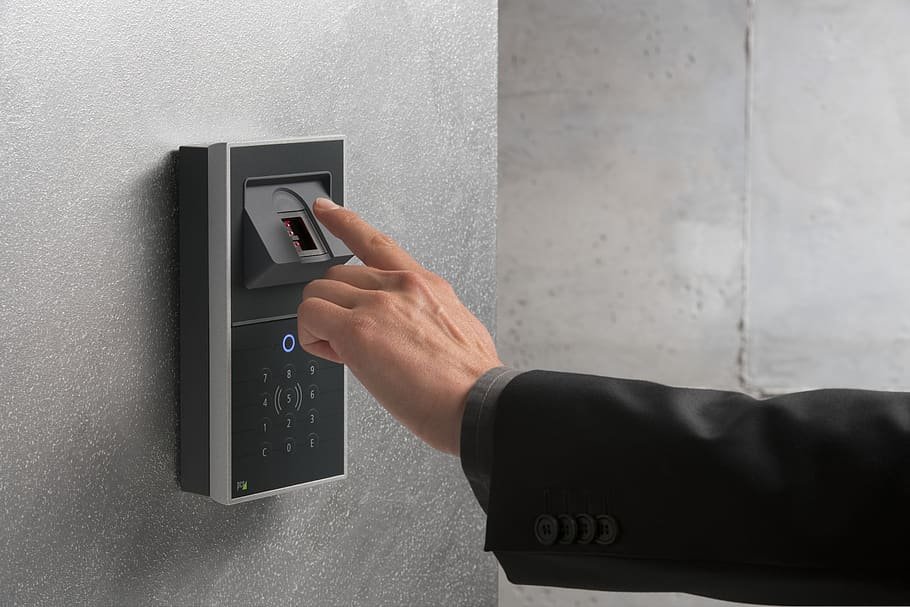
Access control systems can support several credential types. Key cards and fobs are commonly used in offices, apartment buildings, and shared facilities because they are convenient to distribute and manage. PIN-based systems allow entry through a designated code, while mobile credentials can use compatible smartphones. Biometric systems may identify authorized individuals through features such as fingerprints. Each option has different installation, maintenance, and security considerations, so property owners should select a method that suits their daily operations.
Improving Security in Commercial Buildings
Businesses often need to manage access for employees, contractors, visitors, and service providers. An electronic entry system can help establish different permissions for specific people or departments. For example, employees may have access to general office areas while restricted rooms remain available only to approved personnel. These permissions can often be adjusted when staff members join, change roles, or leave the organization. This makes access management more organized than relying entirely on physical keys.
Supporting Residential and Multi-Tenant Properties
Apartment complexes, condominium buildings, and shared residential facilities have unique access requirements. Residents need convenient entry, while property managers may need to control access to lobbies, storage rooms, parking areas, and other shared spaces. Electronic credentials can simplify the process of issuing or disabling access when occupancy changes. Systems should also account for visitors, deliveries, and emergency access procedures to ensure that security measures do not create unnecessary inconvenience.
Choosing the Right Access Control Configuration
The design of an access system should reflect how a building is used. A small office may need a straightforward keypad or card reader at its main entrance, while a larger property may require several controlled doors connected to a central management platform. Property owners should consider the number of entry points, expected daily traffic, existing door hardware, and available network infrastructure. Planning these details before installation helps create a system that meets current requirements and allows room for future expansion.
Integrating Electronic Locks and Entry Hardware
Access control technology works together with physical door components. Depending on the application, an installation may use electric strikes, electromagnetic locks, electronic mortise locks, or compatible smart locking devices. The door frame, existing lock, and type of door all influence which hardware is appropriate. Proper installation is essential for reliable operation, and the system must also comply with applicable fire safety and emergency egress requirements.
Managing Permissions and Entry Records
Many access control platforms allow authorized administrators to manage credentials through dedicated software. Users can be added, access levels adjusted, and lost credentials disabled without replacing every lock in the building. Some systems also maintain event records showing when credentials were used at particular entry points. These records may help property managers review access activity, although data collection and retention should follow applicable privacy policies and legal requirements.
Considering Remote Management and Monitoring
Some modern access solutions support remote administration through secure network connections. Depending on the system, authorized managers may be able to update permissions, review entry events, or manage compatible doors from another location. Remote functionality can be useful for properties with multiple entrances or buildings. However, network security, administrator authentication, software updates, and reliable connectivity should all be considered during system planning.
Maintaining Reliable System Performance
Like other building technologies, electronic access systems require periodic maintenance. Readers, locks, door closers, power supplies, batteries, and network connections should be checked according to the manufacturer’s recommendations. Property managers should also test credentials and confirm that doors operate correctly. Maintaining backup procedures for power interruptions or equipment failures is particularly important because building occupants must still be able to exit safely during emergencies.
Planning for Installation and Future Expansion
Before installation, property owners should identify the doors that need controlled access and determine who will manage the system. It is useful to review existing hardware, electrical requirements, network availability, and the number of credentials needed. Discussing future plans, such as adding doors or integrating video intercoms, can help avoid choosing a system that is difficult to expand. A clear installation plan supports smoother setup and more effective long-term management.
Making Building Access More Convenient and Secure
A well-designed electronic access system can improve entry management while reducing the administrative challenges associated with traditional keys. By selecting suitable credentials, compatible hardware, and appropriate management features, property owners can create a controlled environment that supports everyday building operations. Careful planning, professional installation, and regular maintenance help ensure that the system remains dependable as security needs evolve.