
Explore how custom paper gift bags help retail stores strengthen branding, improve product presentation, and choose suitable materials.
Retail packaging plays an important role in how customers perceive a business and its products. While the product itself is the main focus, the packaging creates the first impression and can influence the overall shopping experience. One practical packaging option for retailers is a paper gift bag. It provides a convenient way to carry purchases while giving businesses an opportunity to present their brand professionally.
Custom Paper Gift Bags offer more than a simple carrying solution. Retailers can customize their size, material, colors, handles, and printed designs to match their products and brand identity. Whether a store sells clothing, cosmetics, jewelry, gifts, or specialty products, a well-designed paper bag can make a purchase feel more thoughtful and memorable.
Choosing the right bag requires attention to several details, including paper quality, construction, printing, and intended use. This guide explains how retail businesses can select and design paper gift bags that support product presentation and customer convenience.
What Are Custom Paper Gift Bags?
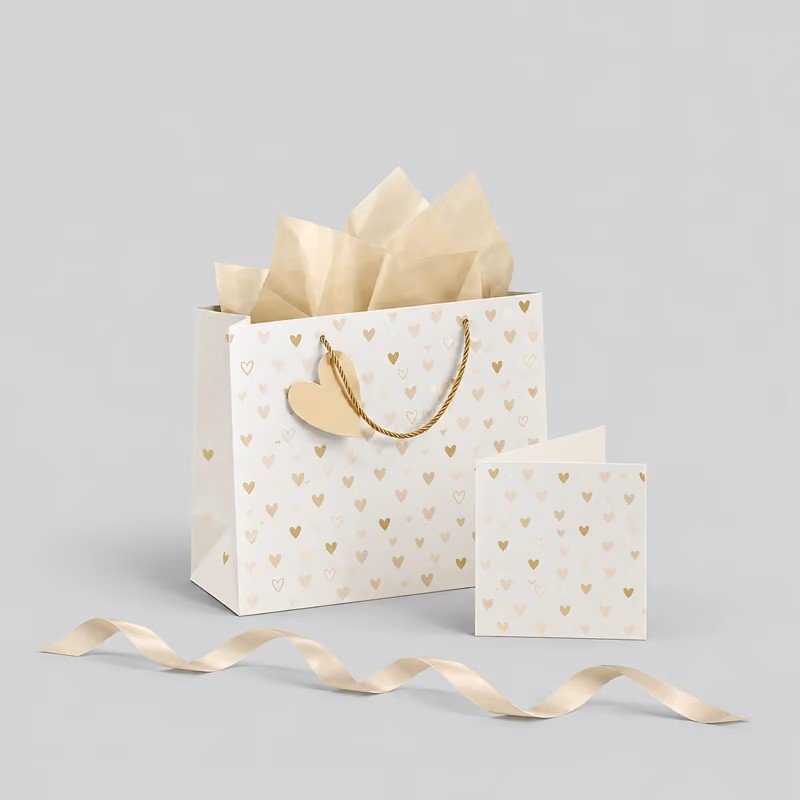
Custom Paper Gift Bags are paper-based packaging bags designed according to a retailer’s specific requirements. Unlike standard, unbranded bags, custom options allow businesses to select dimensions, paper types, colors, finishes, handles, and printed artwork.
These bags are commonly used by clothing stores, boutiques, gift shops, cosmetics retailers, jewelry businesses, and department stores. Their designs can range from simple kraft bags with a small logo to premium printed bags featuring custom colors and decorative finishes.
Retailers can use them for everyday purchases, seasonal promotions, special events, and gift packaging. The design can also be adjusted according to the product’s weight, dimensions, and presentation requirements.
Why Retail Stores Choose Custom Paper Gift Bags
Paper gift bags are popular in retail because they combine practical functionality with branding opportunities. Their appearance and construction can be adapted to different business needs.
1. Improve Brand Recognition
Packaging can help customers recognize a business even after leaving the store. A bag featuring a company logo, brand colors, and distinctive design elements can make the brand more visible in public places.
For example, a clothing boutique might use bags printed with its logo and website, while a cosmetics retailer may choose a clean design with elegant typography. Consistent branding across packaging and other marketing materials helps create a recognizable identity.
2. Create a Better Shopping Experience
A well-designed paper gift bag makes it easier for customers to carry their purchases. Properly positioned handles, suitable dimensions, and a sturdy construction can improve convenience.
Presentation also matters. When customers receive products in attractive packaging, the purchase can feel more considered and suitable for gifting. This is especially useful for businesses selling jewelry, clothing accessories, candles, cosmetics, and specialty gifts.
3. Support Product Presentation
Retail packaging is part of the product experience. A carefully designed bag can complement the appearance of the item inside and reinforce the store’s overall presentation.
For premium retail products, businesses may prefer textured paper, refined printing, or decorative finishes. For everyday shopping, a simpler design may be more appropriate.
4. Offer Flexible Design Options
Custom packaging gives retailers control over how their bags look and function. Businesses can select different sizes, paper colors, handle styles, and printing arrangements.
This flexibility makes it easier to create packaging for different product categories without relying on one standard design for every purchase.
Choosing the Right Material for Paper Gift Bags
Material selection is one of the most important decisions when ordering paper gift bags. The material affects the bag’s appearance, strength, texture, and overall suitability for a particular product.
1. Kraft Paper
Kraft paper is a popular option for retail bags because of its natural brown appearance and simple presentation. It works well for boutiques, gift shops, bakeries, and businesses that prefer a minimal packaging style.
Kraft bags can be customized with printed logos, brand names, and other design elements. White kraft paper is another option for retailers looking for a lighter background that supports colorful printing.
2. Coated Paper
Coated paper has a treated surface that can provide a smoother appearance for printed designs. It is suitable for businesses that want clear graphics, detailed artwork, or a more polished finish.
Retailers can consider coated paper for cosmetics, fashion accessories, and gift products where visual presentation is important. The final appearance depends on the paper specification and printing method.
3. Art Paper
Art paper is commonly selected for packaging that requires a refined printed appearance. Its smooth surface can support detailed graphics, photographs, and colorful brand designs.
It may be suitable for premium boutiques, gift retailers, and promotional packaging. Retailers should confirm the paper weight and construction according to the products the bags will carry.
4. Recycled Paper
Recycled paper can be an option for businesses that want to incorporate recycled materials into their packaging choices. It is available in different grades and appearances, depending on the supplier and manufacturing specifications.
Retailers should check the material composition and any relevant environmental certifications before making sustainability claims. Recycled content alone does not automatically establish that a bag is recyclable in every local waste system.
Important Design Elements for Custom Paper Gift Bags
Material is only one part of the packaging decision. The bag’s structure and visual design also influence its usability and appearance.
1. Select the Appropriate Bag Size
The size should match the products the retailer intends to package. A bag that is too small may not accommodate the item, while an oversized bag can make smaller products difficult to carry securely.
Before selecting dimensions, measure the products and consider whether additional wrapping, tissue paper, or protective inserts will be used.
Retailers may need several sizes for different product categories. For example:
- Small bags for jewelry, accessories, and cosmetics.
- Medium bags for clothing accessories, books, and gift items.
- Large bags for apparel, boxed products, and multiple purchases.
2. Choose a Suitable Handle Style
Handles affect both appearance and carrying convenience. Common options include twisted paper handles, flat paper handles, and rope handles.
Twisted and flat paper handles can work well for everyday retail packaging. Rope handles may provide a more decorative appearance for premium gift bags.
The handle should be selected according to the bag’s dimensions, material, expected load, and intended use. Retailers should also confirm that the handle attachment and reinforced areas are suitable for the products being carried.
3. Use Consistent Brand Colors
Brand colors help connect packaging with a store’s visual identity. Using consistent colors across shopping bags, product boxes, labels, and promotional materials can create a more unified presentation.
Businesses should choose colors that provide sufficient contrast between the background and printed elements. The final design should remain easy to recognize without making the bag look overcrowded.
4. Add a Clear Logo and Message
A logo is often the most recognizable element of a branded paper bag. Retailers can place it on the front, back, or both sides, depending on the layout.
A website, short brand message, or social media handle may also be included when appropriate. However, too many design elements can reduce readability. A simple and organized layout often communicates a brand more effectively.
5. Consider Decorative Finishes
Finishes can help create a distinctive appearance. Depending on the material and production process, retailers may consider:
- Matte finish for a subtle, understated look.
- Gloss finish for a brighter surface appearance.
- Foil stamping for selected decorative details.
- Embossing for a raised design effect.
- Spot UV for highlighting specific printed areas.
Not every finish is necessary for every bag. Businesses should choose options that complement their brand and fit their packaging budget.
Custom Paper Gift Bags for Different Retail Industries
Different retail businesses have different packaging requirements. The bag’s size, material, and design should reflect the products being sold.
Fashion and Clothing Stores
Fashion retailers often use medium and large paper gift bags for clothing, scarves, accessories, and other purchases. Their designs may feature brand logos, simple typography, and colors that match the store’s identity.
The bag should provide enough space for folded garments without placing unnecessary pressure on the handles or base.
Jewelry and Accessories Shops
Jewelry stores generally need smaller bags that complement compact product boxes. Premium paper, neat printing, and decorative handles can help create a coordinated presentation.
Retailers should ensure that the bag is appropriately sized for the jewelry box rather than placing delicate products directly inside an unsuitable bag.
Cosmetics and Beauty Retailers
Beauty stores may use custom paper bags for skincare products, makeup, fragrances, and gift sets. Different bag sizes can accommodate individual products or multiple-item purchases.
A clean design with recognizable brand colors can help maintain consistency across the store’s packaging.
Gift Shops and Specialty Stores
Gift shops often need packaging for products of different shapes and sizes. Custom bags can be designed for seasonal promotions, birthdays, holidays, and other special occasions.
Retailers can also create limited-edition designs for specific campaigns while keeping their main logo and brand identity consistent.
Custom Paper Gift Bags vs. Standard Paper Bags
Retailers often compare custom bags with standard paper bags when deciding how to package customer purchases. Both options have practical uses, but they serve slightly different business needs.
| Feature | Custom Paper Gift Bags | Standard Paper Bags |
|---|---|---|
| Branding | Can include custom logos and artwork | Usually plain or pre-designed |
| Sizes | Can be specified for products | Limited standard sizes |
| Colors | Selected to match brand identity | Depends on available stock |
| Handles | Different handle styles may be available | Usually standard options |
| Finishes | Custom decorative finishes may be possible | Generally limited |
| Use | Branded retail and gift packaging | Everyday carrying and general use |
Standard bags may be suitable for businesses that prioritize basic packaging and quick availability. Custom bags are more appropriate when retailers want packaging that reflects their brand and product presentation.
How to Order the Right Custom Paper Gift Bags
Ordering custom packaging becomes easier when retailers define their requirements before contacting a manufacturer or packaging supplier.
Step 1: Identify the Products
Start by listing the products that will be placed inside the bags. Consider their dimensions, weight, shape, and whether they will already be packed in boxes or protective wrapping.
Step 2: Select the Material and Paper Weight
Choose a material that matches the desired appearance and intended use. Discuss suitable paper weights and construction details with the packaging supplier rather than selecting material based only on appearance.
Step 3: Finalize the Dimensions and Handles
Confirm the bag’s width, height, and gusset depth. Select a handle style that supports convenient carrying and is appropriate for the expected load.
Step 4: Prepare the Artwork
Provide the supplier with a high-resolution logo and print-ready artwork where possible. Check the placement of the logo, text, colors, and other design elements before approving production.
Step 5: Review a Sample or Proof
Review the digital proof or physical sample, depending on the supplier’s process. Check the dimensions, printing, material, handle attachment, and overall construction.
Step 6: Confirm the Order Details
Before production, confirm the quantity, pricing, production timeline, shipping arrangements, and any customization requirements. Clear specifications can help reduce misunderstandings and avoid unnecessary revisions.
Common Mistakes to Avoid When Designing Paper Gift Bags
A visually attractive bag may still be unsuitable if important functional details are overlooked. Retailers should avoid these common mistakes:
- Choosing the wrong size: Always measure the products and allow suitable space for wrapping or boxes.
- Ignoring paper strength: Select material and construction based on the intended load.
- Overcrowding the design: Too many colors, graphics, and messages can make the branding difficult to recognize.
- Using unsuitable handles: Handle style and attachment should match the bag’s expected use.
- Skipping artwork checks: Review spelling, logo placement, dimensions, and print colors before approving production.
- Ordering without clear specifications: Confirm material, quantity, size, finish, and delivery details in advance.
Taking time to review these details can help retailers select bags that look appropriate and work effectively for everyday business operations.
Conclusion
Custom Paper Gift Bags provide retail businesses with a practical way to package purchases while presenting their brand consistently. The right combination of material, dimensions, handles, printing, and decorative finishes can improve product presentation and make bags more convenient for customers.
Before placing an order, retailers should consider the products they sell, their packaging requirements, and the image they want to communicate. Comparing material options, reviewing samples, and confirming production specifications can help businesses make informed packaging decisions. A thoughtfully designed paper gift bag can become a useful part of the shopping experience and a recognizable extension of a retail brand.
Frequently Asked Questions About Custom Paper Gift Bags
1. What are custom paper gift bags used for?
Custom paper gift bags are used by retail stores to package and carry products such as clothing, jewelry, cosmetics, accessories, and gifts. They can also display a business logo and brand design.
2. Which paper is best for custom paper gift bags?
Kraft paper, coated paper, and art paper are common choices. The best option depends on the desired appearance, printing requirements, product weight, and intended use.
3. Can custom paper gift bags include a company logo?
Yes. Retailers can add logos, brand names, colors, website addresses, and other design elements. The artwork and printing options depend on the supplier’s available customization methods.
4. Are kraft paper gift bags suitable for retail stores?
Yes. Kraft paper bags are used by many types of retail businesses, including boutiques, gift shops, and specialty stores. Their natural appearance also works well with simple printed branding.
5. What handle options are available for paper gift bags?
Common handle options include twisted paper handles, flat paper handles, and rope handles. The suitable choice depends on the bag’s size, construction, appearance, and expected load.
6. How do I choose the right size for paper gift bags?
Measure the products that will go inside the bags, including any product boxes or wrapping. Consider the width, height, and gusset depth to ensure the items fit comfortably.
7. Are custom paper gift bags more expensive than standard bags?
Custom bags may cost more than standard bags because they can involve personalized printing, selected materials, special handles, and decorative finishes. The final price depends on quantity, specifications, and production requirements.
8. Can paper gift bags be used for promotional events?
Yes. Businesses can create branded paper gift bags for product launches, retail promotions, exhibitions, corporate events, and seasonal campaigns. They can be customized to match the event’s theme and branding.
 armand.montero
 jenn.diessi