
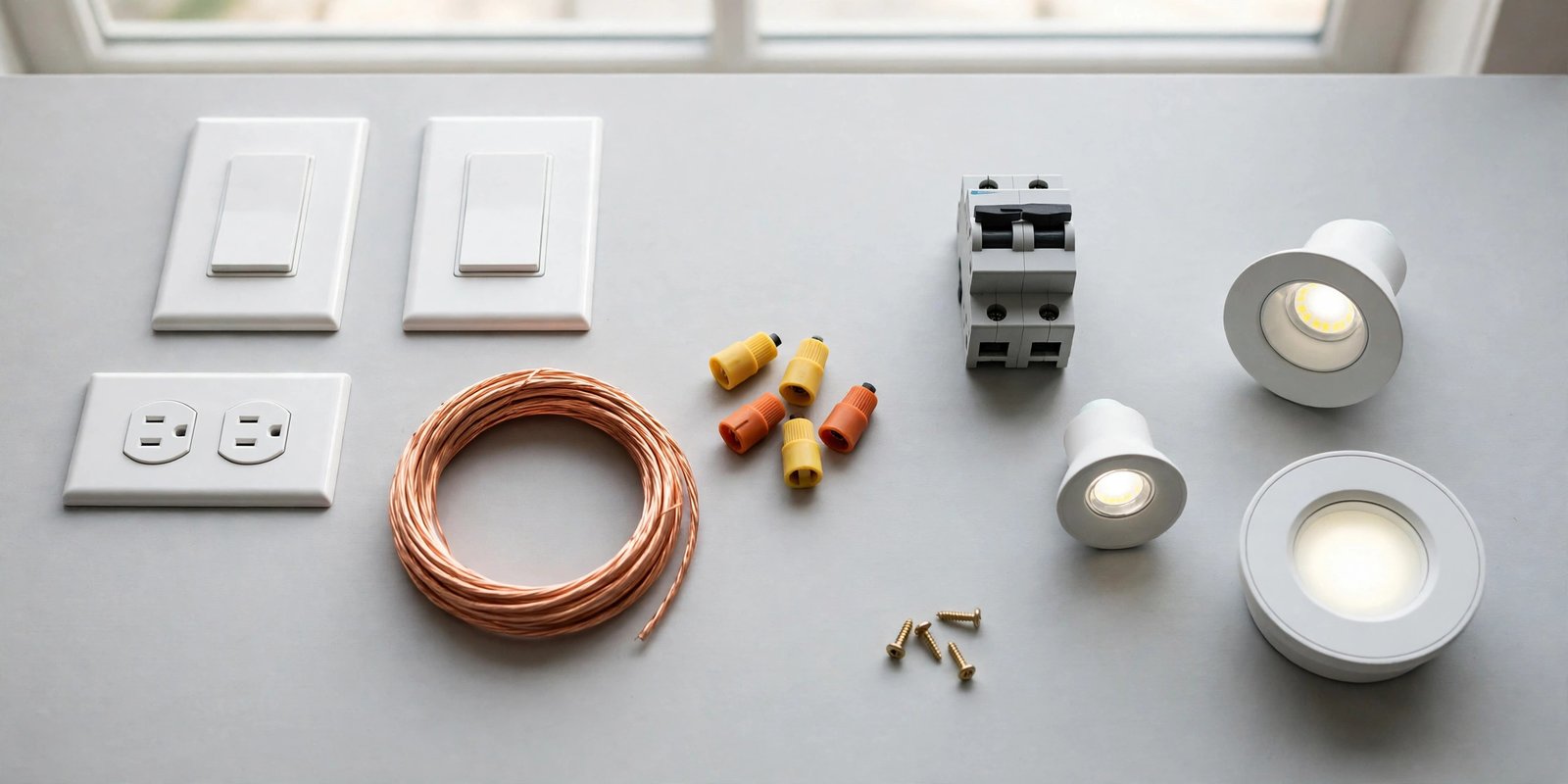
A light switch seems like a small thing — until it sparks, hums, or stops working six months after you installed it. Electrical fixtures and supplies are the parts of a home project you touch every single day, and the ones where a cheap choice can cost far more than the money you saved. At ExactReads, we think choosing well is not about buying the most expensive option on the shelf. It is about matching the right product to the right job, understanding a few key ratings, and knowing when to call in a professional. This guide covers exactly that.
Start With Safety: Ratings Are Not Optional
Every electrical fixture carries ratings for a reason. The two that matter most for home projects are voltage and current (amps). In most homes, standard circuits run at 120 volts, and switches and outlets are typically rated for 15 or 20 amps. A fixture rated below the circuit it sits on is a fire risk — it can overheat even under normal use. Before you buy anything, check the circuit breaker that serves the room and match the fixture’s rating to it, or exceed it. If you are unsure which circuit feeds a room, ask an electrician.
Look for a recognised safety certification mark as well — UL, ETL, or CSA in North America. These marks mean an independent lab tested the product against safety standards; uncertified fixtures from unknown sellers may look identical outside and behave very differently inside. For outdoor or bathroom use, check the IP rating too: IP44 handles splashes, and fully exposed locations need IP65.
Match the Fixture to the Room
A bedroom dimmer, a bathroom exhaust fan switch, and a kitchen under-cabinet light are not interchangeable jobs. Bathrooms and kitchens need fixtures rated for damp or wet locations, because moisture and electricity are a dangerous mix. Outdoor fixtures need weatherproof covers that keep rain out even with a plug in use.
Think about how the room is actually used. Kitchens benefit from bright, even task lighting and plenty of outlets placed where appliances will sit — not behind the fridge where you cannot reach them. Bedrooms are where dimmers earn their keep. Hallways and stairs deserve switches at both ends, which means three-way switches rather than standard single-pole ones. Walk the room, imagine a normal day in it, and note where you will stand, what you will plug in, and where the light needs to fall. That is your shopping list.
Quality Signs Worth Paying For
Two switches can look identical in the package and last very different lengths of time. A few details separate the good ones. First, weight and feel: a solid switch with a clean, firm click is usually built with better internal contacts than a feather-light one that feels hollow. Second, the terminals — screw terminals grip wire far more securely than push-in “backstab” connections, which are a common cause of loose, overheating connections over time. If a device offers both, use the screws.
Third, materials. Brass or plated-steel terminal screws resist corrosion better than bare steel, and thermoplastic housings handle heat better than cheaper ones. For outlets, look for tamper-resistant (TR) shutters — they are code in most new work and keep children safe — and consider commercial- or specification-grade devices for outlets that will see heavy daily use, such as kitchen counters. They cost a few dollars more and last years longer.
Your Pre-Purchase Checklist
- Confirm the circuit: the voltage and amperage the fixture will serve.
- Check the certification mark (UL, ETL, or CSA).
- Confirm the location rating: dry, damp, or wet — and buy accordingly.
- Count what you need: switches, outlets, plates, boxes, wire nuts, and connectors. Buying the small parts in one trip saves a second drive.
- Match the finish and style across the room: plates, switches, and outlets should look like they belong together.
- Buy one extra of each device. A spare switch costs little and saves a stalled project if one is faulty.
- Keep the receipt and the box until the project is done and tested.
Common Mistakes to Avoid
The most expensive mistake is overloading a circuit — adding outlets or fixtures to a line that is already near capacity. If lights dim when an appliance starts, that circuit is telling you it is full. Another is mixing old and new wiring without the right connectors; aluminium and copper wire need approved connectors and must never be twisted together directly.
Never bury junction boxes behind drywall. Every connection must stay accessible in a proper box with a cover — it is code, and it is how a future electrician (or future you) finds a problem. And never work on a circuit you have not personally switched off and tested with a non-contact tester. A breaker labelled “kitchen” may not be the only one feeding it.
The Bottom Line
Good electrical fixtures are mostly invisible — they simply work, quietly, for decades. It comes down to a few habits: respect the ratings, buy certified products, match the fixture to the room, and keep every connection accessible. When you are ready to shop, browsing a well-organised range of Electrical Fixtures helps you compare options side by side, and a specialist store like Central Mexicana stocks the switches, sockets, and fittings most home projects need.
 armand.montero