
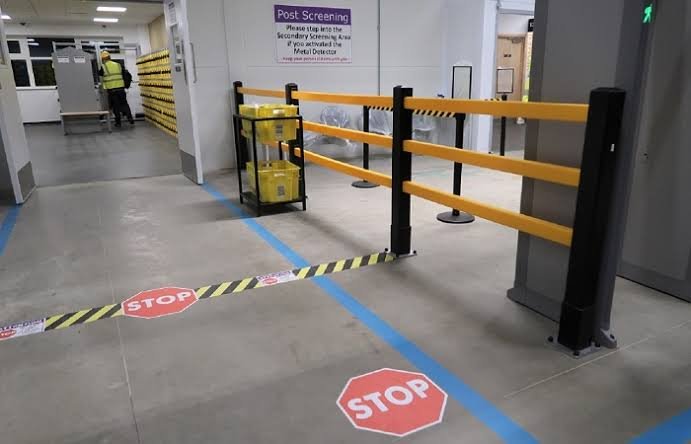
Warehouses are busy workplaces where pedestrians regularly move alongside forklifts, pallet trucks and delivery vehicles. Clearly defined pedestrian routes help workers move safely between storage areas, loading bays and workstations. Suitable safety barriers separate pedestrians from vehicle traffic and reduce the likelihood of collisions. Combined with visible floor markings, clear signage and regular inspections, these measures support safer warehouse operations.
Separate Pedestrians From Moving Vehicles
Dedicated pedestrian routes help reduce contact between workers and moving vehicles. Physical barriers are particularly useful near forklift operating areas, loading bays and busy intersections. Their placement should reflect vehicle movements, pedestrian activity and the warehouse’s overall layout and traffic patterns.
Different barriers provide different levels of protection. Guardrails, bollards and pedestrian railings serve specific purposes depending on their design and strength. A workplace risk assessment helps determine suitable locations, barrier specifications and the protection required for particular vehicle movements.
Make Pedestrian Walkways Easy to Follow
Clearly marked routes help workers and visitors navigate warehouse areas safely. Walkways should remain visible, accessible and free from stored materials. Effective pedestrian guidance includes several practical measures:
- Floor Markings: Use contrasting colours to identify pedestrian routes and designated crossing points.
- Warning Signs: Install road safety signs to identify vehicle routes, crossings and restricted areas.
- Adequate Lighting: Illuminate walkways, entrances and intersections to improve visibility.
- Corner Mirrors: Position mirrors at suitable blind corners to improve awareness of approaching traffic.
Together, these measures make pedestrian routes easier to recognise and follow throughout the warehouse.
Protect Pedestrians in High-Traffic Areas
Loading bays, vehicle entrances and turning areas require careful pedestrian management. Forklifts frequently change direction in these locations, making physical separation particularly important. Suitable safety barriers can protect designated walkways while directing pedestrians towards safer crossing points.
Crossings should provide adequate visibility for pedestrians and drivers. Where deliveries or maintenance activities temporarily affect established routes, supervisors should arrange clearly marked alternatives. Temporary barriers and updated instructions help workers follow the revised routes safely.
Inspect and Maintain Walkway Protection
Regular inspections help maintain the effectiveness of pedestrian protection measures. Warehouse supervisors should include barriers, floor markings and signs in routine workplace checks. Important maintenance activities include:
- Barrier Inspections: Check for impact damage, loose fixings and structural deterioration.
- Marking Maintenance: Refresh worn floor markings to keep pedestrian routes clear.
- Sign Visibility: Replace damaged signs and remove objects obstructing important warnings.
- Route Clearance: Keep designated walkways free from pallets, packaging and equipment.
Prompt maintenance helps ensure pedestrian protection remains effective during daily warehouse activities.
Reinforce Safe Pedestrian Practices
Workers should understand designated walking routes, crossing procedures and restricted vehicle areas. Practical training reinforces these requirements, especially for new employees and visitors. Supervisors can also review pedestrian arrangements whenever warehouse layouts or vehicle movements change.
Regular communication encourages workers to report damaged barriers, obstructed routes and visibility concerns. Reviewing these reports alongside workplace inspections helps identify improvements and maintain consistent pedestrian safety practices across different shifts and operational activities.
Conclusion
Safe pedestrian movement depends on thoughtful warehouse design, suitable physical protection and consistent maintenance. Clearly separated walkways, visible signs and properly positioned barriers help workers navigate areas shared with industrial vehicles. Regular inspections and practical safety training strengthen these arrangements over time. By keeping pedestrian routes clear and reviewing changing workplace conditions, warehouse operators can create safer, more organised working environments for employees and visitors.
 Heritage Route Travels