
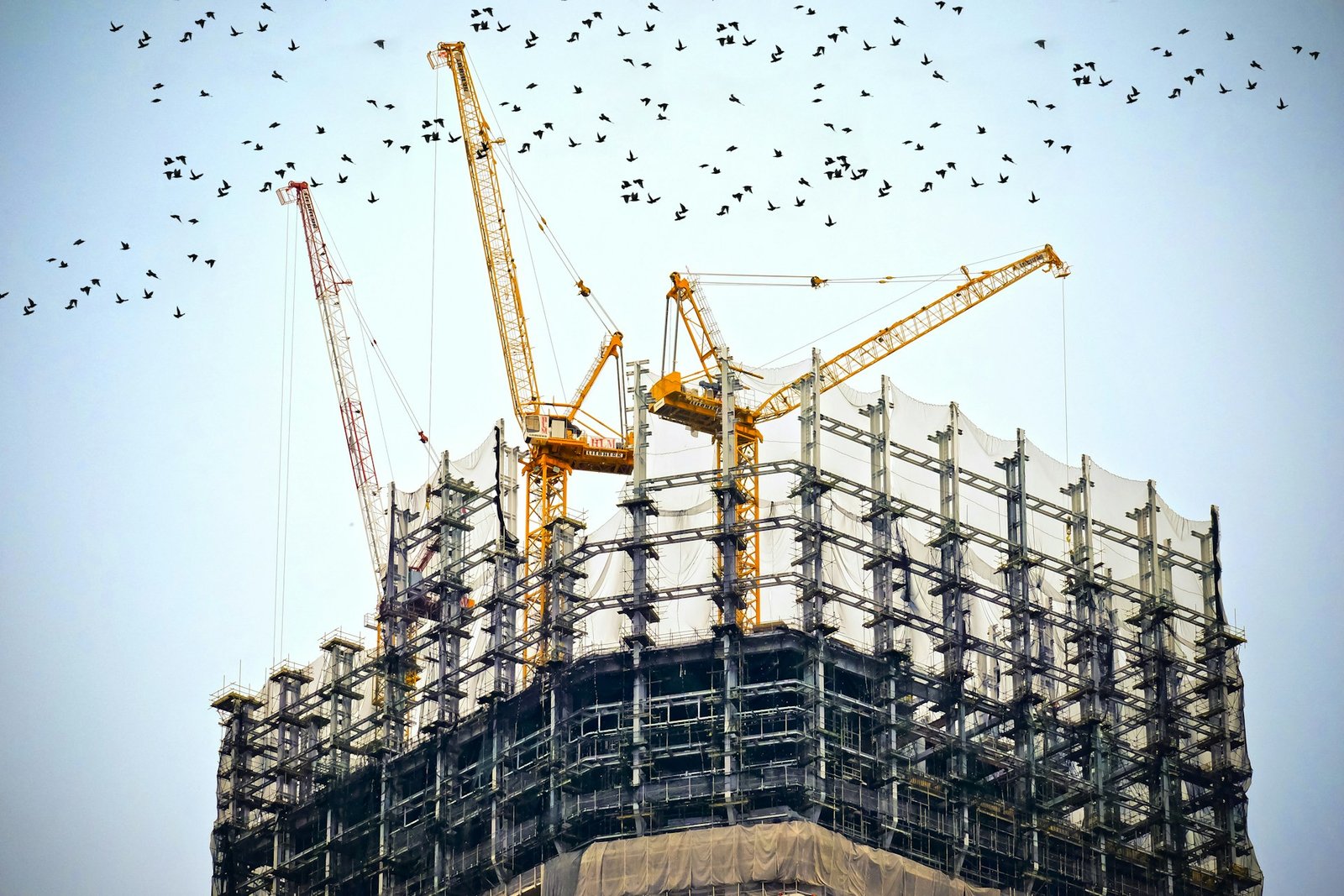
The planning, designing, building and maintenance of buildings and infrastructure is changing with digital construction. In the modern era digital solutions are assisting construction businesses to better manage their projects, reduce mistakes, control expenses, and deliver construction in a faster time. The construction industry is seeing technology as a tool for improved decision making at every stage, from Building Information Modeling (BIM) to drone and cloud technology.
To remain competitive in a changing industry, contractors, architects, engineers, and property developers must have a good grasp of digital construction.
What Is Digital Construction?
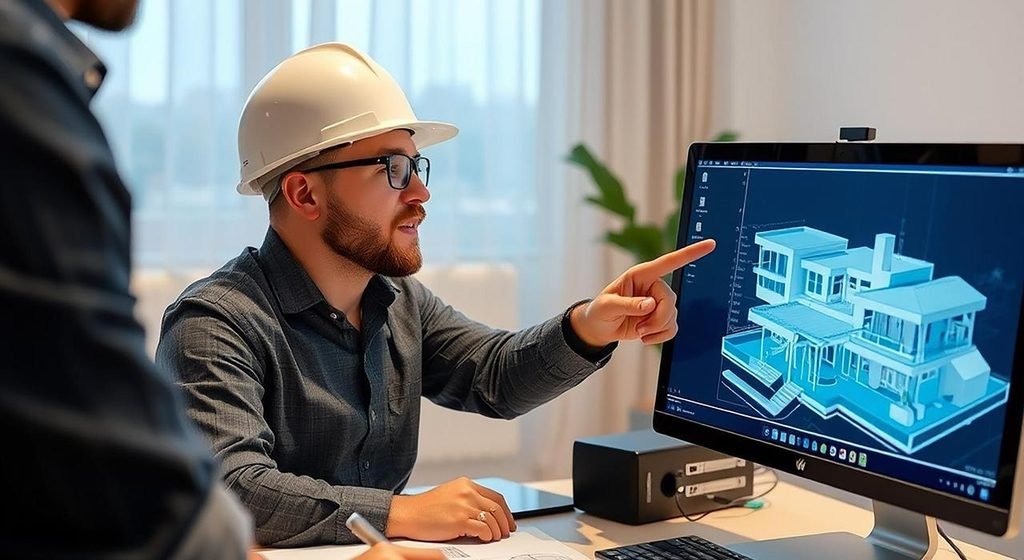
Digital construction is a term used to describe the use of digital technologies and software to plan, manage, monitor and deliver construction projects. It integrates project details, teams, and workflows via digital systems rather than solely on paper documents and manual processes.
The technologies may assist in activities such as building designs, materials tracking, worker scheduling, monitoring the site construction, and tracking completed buildings.
The main purpose is to improve the accuracy, communication, productivity, and safety of digital construction during the construction process.
Key Technologies Used in Digital Construction
1. BIM (Building Information Modeling)
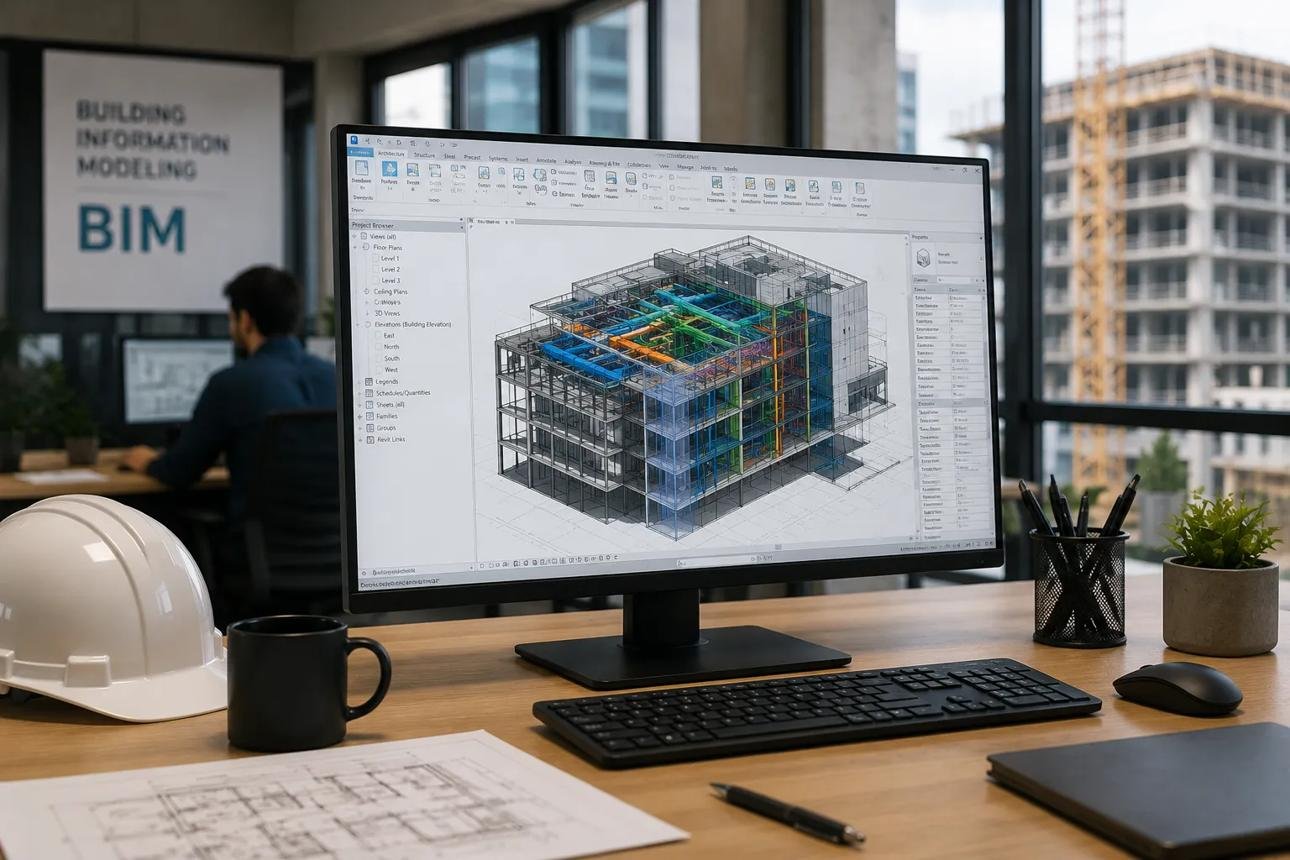
One of the most important technologies in the construction industry today is BIM – Building Information Modeling. It produces a virtual “image” of the building that may incorporate the building structure, measurements, materials, systems and more project data.
BIM benefits architects, engineers, and contractors by enabling them to coordinate, preventing design conflicts before construction, and helping them to understand how the different parts of the building will function together.
Furthermore, BIM may also be useful towards the end of a building’s life cycle, when it can be used to help to organise important building information.
2. Construction Management Software (CMS) is software that is accessible online.
Construction teams can access the documents, schedules, drawings, budgets and updates of a project from anywhere and anytime using cloud-based software.
Team members can access the same information without having to share numerous paper copies or access old files. This is a fine way to reduce communication problems and to obtain a better understanding of what changes are occurring to the project.
Such platforms can assist construction managers to arrange jobs, track deadlines, manage documents, and even interact with subcontractors.
3. The use of drones and Site Monitoring.Use of drones and Site Monitoring.
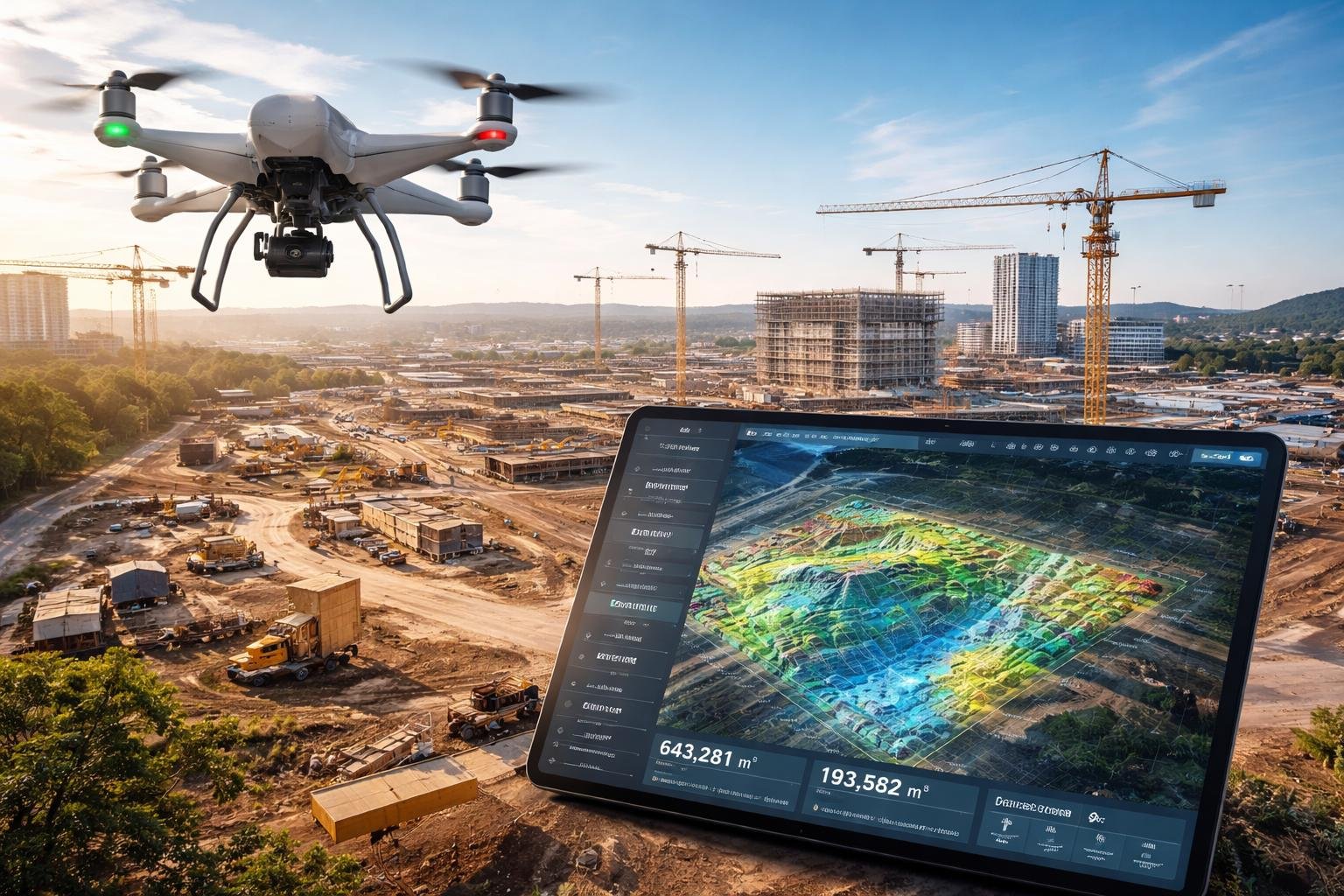
Aerial images and construction site surveys are becoming a new feature in the use of drones. They can be used for monitoring progress, reach places that are hard to get to and review site conditions to project plans.
Using an appropriately designed mapping and analysis software package can provide valuable information on site layout, earthworks and progress of construction using drone data.
The rules and site safety requirements for drones must be followed.
4. Artificial Intelligence (AI) & Data Analytics (DA)
Construction professionals can harness the power of AI and data analytics to get insights into project data and identify potential issues.
Digital systems can, for example, be used to add up project costs, identify project risks, make records of inspections, and analyse equipment performance. AI-driven tools can also help to audit documents and identify inconsistencies.
These should not replace, however, the professional judgment of trained engineers, safety professionals, and experienced project managers.
5. Digital Twins & Smart Sensors.
A digital twin is a virtual representation of a physical building, asset or system that is continuously updated with relevant operational data. Smart sensors may provide information related to temperature, consumption of energy, equipment performance or building conditions.
These technologies could be used to help building owners understand how buildings are operating, and make decisions about maintenance. They can only be as useful as the data to which they are linked and as long as they are integrated correctly and maintained by the systems.
There are many benefits of digital construction.There are numerous advantages to digital construction.
If technologies are chosen and applied correctly, digital construction can offer a variety of benefits.
Improved Project Planning
Prior to construction, project teams are educated on the needs of the project through digital models and scheduling software. If there is greater co-ordination, it will be easier to locate conflicts, to organize the construction activity and to plan resources.
Better Communication
Relevant project information is shared with architects, engineers, contractors and clients using shared digital platforms. Improved communication can minimize miscommunication and enable teams to adapt more rapidly.
Lower number of errors and rework.
Digital models can be used to find some design conflicts prior to materials installation. Up to date drawings and controlled versions of documents can also help minimise error due to the lack of up to date information.
More efficient cost and time management.More effective cost and time management.
There are software programs that can be used in project management to track budget, deadlines, labour and materials. Immediate awareness of delays or costs variations enables managers to think of corrective action.
Stronger Safety Management
Plan for safety with digital inspections, site monitoring tools and equipment tracking systems. While technology can help mitigate construction hazards, it is still important to provide training, supervision, protective equipment and safety procedures.
The digital construction challenges are also discussed.The challenges associated with digital construction are discussed as well.
While there are valuable perks to digital construction, firms could encounter problems transitioning to new technologies.
Initial expenses for training and software subscription, devices, system integration can be significant.
Training needs: Staff should be provided time and support to familiarise themselves with new tools and to have a consistent digital process.
Inaccurate, outdated or poorly organized data can result in wrong decisions.
Technology compatibility: Co-ordination is hindered as information may not flow from one software platform to another.
Sensitive documents, financial information and access keys for projects should be protected by constructive organisations with proper security.
For all of these reasons, businesses must put a clear goal in place, select the tools and tools that work best for them, educate their employees, and audit after they deploy them to grow their digital systems as needed.
A significant focus is on how to implement digital construction successfully.How to implement digital construction successfully is a key focus.
A construction company doesn’t need to accept every one of the latest technologies, as it’s a step-by-step procedure. A realistic implementation plan will help to minimise disruption and enhance outcomes.
- Decide what is the most critical issue in the project – design coordination, scheduling, document control, safety reporting, cost control.
- Choose the right software: talk about the features, price, user-friendliness and compatibility of software.
- Educate the staff – provide instructions and hands-on training to staff to ensure they know how to use the technology.
- Begin with a pilot project: Try out the chosen system on a smaller project or workflow before introducing it throughout the business.
- Assess performance: (Observe performance aspects such as document issues, delays in schedules, rework and reporting time)
- Refine the process: Streamline workflows, identify additional tools used and their value, given feedback and project outcomes.
The Future of Digital Construction
With new developments in BIM, AI, automation and sensor technology and the increasing influence of the cloud, digital construction is set to become even more connected. Better information sharing could help to ensure more precise planning and management of construction projects and buildings over their life cycles.
The most profiting companies are not always the ones that are employing the most products. They will be the ones that select appropriate technologies, possess adequate knowledge about the project and help facilitate the effective use of digital systems in their team(s).
Conclusion
The digital construction is transforming construction project design, management and delivery. The coordination of BIM models, cloud-based management software, drones, AI and digital twins can help coordinate, assist planning and prevent unnecessary errors.
However, investment, training, correct data and procedures are required for optimum results. Construction companies can use a variety of digital tools and methods to improve performance and future-proof their business with a step-by-step approach and some of the most suitable tools.
Frequently Asked Questions
1. What is meant by ‘digital construction’?
Digital construction is all about software, digital models, connected devices and data, which can help plan, manage, build and operate construction projects more effectively.
2. What does BIM mean in the digital construction?
Building Information Modeling (BIM) is a process for creating and managing electronic information for a building or infrastructure project. Helps to coordinate project participants.
3. What are the financial and economic advantages to digital construction?
It can help you detect design conflicts, better schedule, monitor resources and minimize unnecessary errors and re-work. Actual savings will depend on project and extent of implementation of the technology.
4. Are digital construction possible for small companies in construction?
Yes. Low cost digital drawing, document sharing, scheduling, cost tracking or site reporting solutions can be used by small businesses and expanded as they expand.
5. How AI can be used in the construction sector?
AI can assist with tasks like document review, estimating costs, risk analysis for schedules, progress monitoring, and planning maintenance. There remains a need for right professional review in significant decisions.
6. What’s the difference between Digital Construction and BIM?
BIM is just a portion of digital construction. Digital construction is a more comprehensive solution which may involve BIM, project management software, drones, AI, digital twins, and more.
 williamkevin