
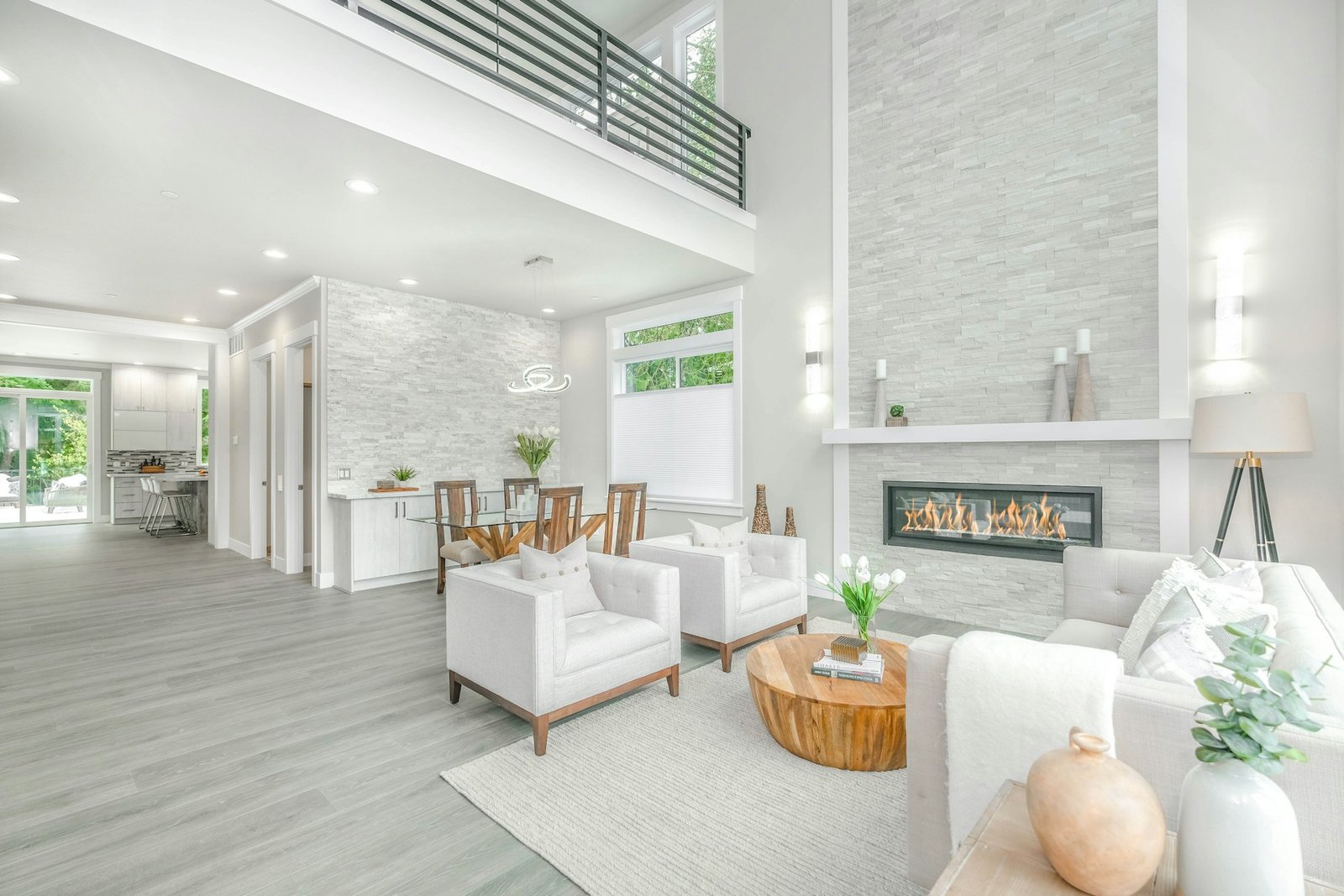
The interior and finishes of structures are an integral part of the overall design that creates the aesthetic, functional and comfortable ambience of residential, commercial and hospitality spaces. Every finish item adds to the appearance and performance of a building, whether that’s the floor, wall coverings, ceiling, lighting, doors or decorative features.
When selecting interior materials, it isn’t just about aesthetics. Other considerations include the durability, maintenance, safety, installation requirements and budget. When remodeling or new construction, it is important to have an understanding of the main types of building finishes to help you make an informed decision.
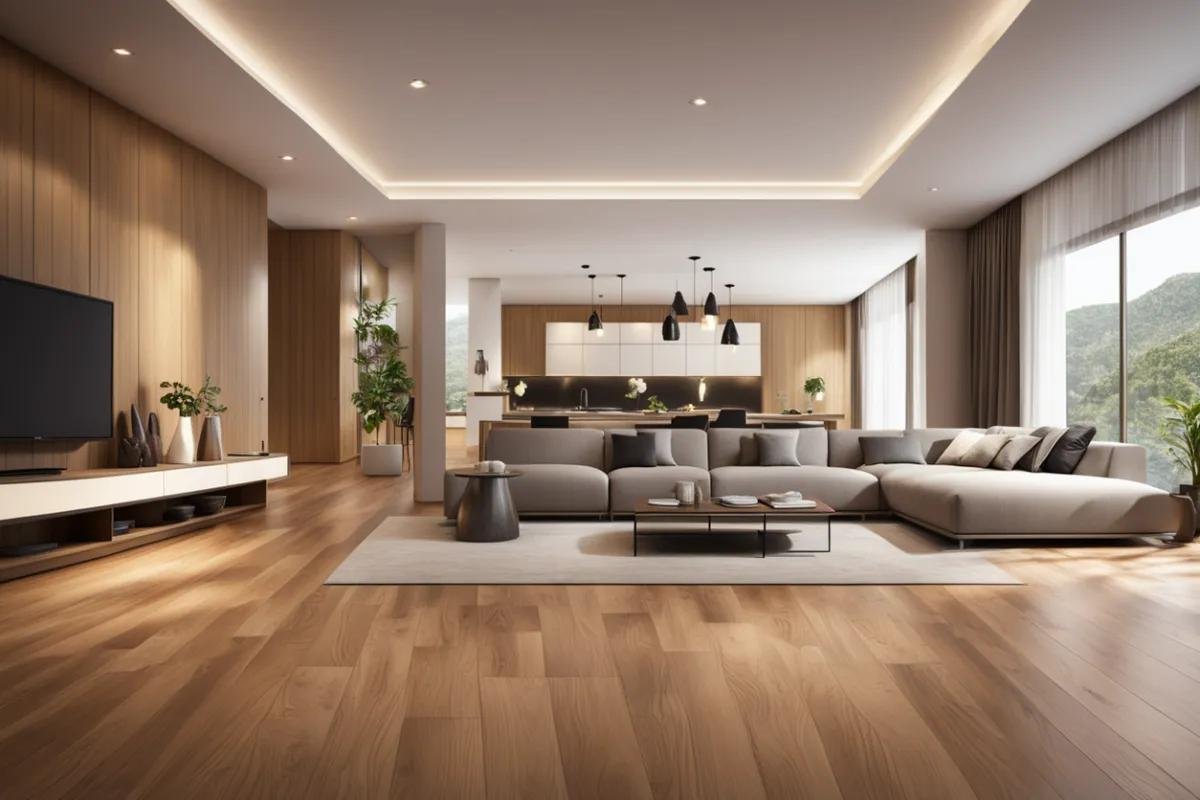
What Are Building Interiors and Finishes?
Building interiors: decoration and planning of interior spaces of buildings including furnishings, lighting, interior designs, color schemes and other decorative aspects. Building finishes refer to the materials and treatments that are applied on top of surfaces such as walls, ceilings, floors and fixtures.
The finish is the protective coating of the interior surfaces of a building and interior design is the appearance and functionality of the interior of the building. They both must work together in making it comfortable and functional.
A good hotel room can feature hard floor, washable walls, smart lighting, good furniture and easy-to-clean bathroom walls.
Some of the interior finishes of buildings are given below.The following are some of the most popular finishes available for buildings’ interior.
1. Flooring Materials
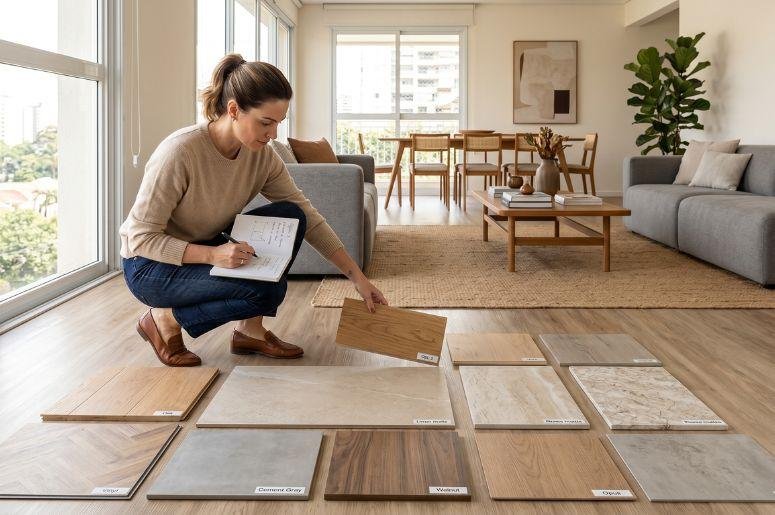
Flooring has an impact on how a room looks, feels and how clean it will be. Frequently used materials are ceramic tiles, porcelain tiles, natural stone, hardwood, laminate, vinyl and carpet.
Consider factors like foot traffic, moisture, slip resistance, ease of cleaning and maintenance, and installation costs when choosing flooring materials. Think about carpeting some high-traffic areas, or floors in some bedrooms or hospitality areas.
The best flooring for a room is not the only thing to consider.
2. Wall Finishes and Paint.
Wall finishes can change up the interior and they don’t have to involve any structural changes. At home and in commercial buildings, paint, wall paper, decorative plaster, wall panels and certain stone and tile finishes are all prevalent.
Must have a surface that is clean, dry and properly prepared before applying a finish. Good adhesion and uniformity are achieved through proper preparation.
Select finishes that are suitable for humidity, cleaning frequency, and wear in kitchens, bathrooms and areas of high use in a commercial environment.
3. Ceiling Finishes
Ceilings impact light, sound and the ambience of a room. These include painted plasterboard, ceiling systems, ceiling panelling and exposed ceiling designs.
Suspended ceilings can be used to accommodate electrical and ventilation systems and acoustic ceiling products can be used to control sound levels in offices, restaurants and meeting rooms. Materials should be chosen with consideration to fire performance, maintenance access and to building requirements.
4. Windows, doors and hardware.Doors, Windows, and Hardware.
Doors, windows, handles, hinges and locks dictate the way the doors and windows appear, and how they are used by everyday people. They should take into account durability, security, accessibility, energy performance and the environmental conditions in which they are to be installed.
For instance, in areas where there is a high amount of moisture, materials may require extra moisture protection. Exterior openings should also be installed and made weather tight.
5. The design and decorative features of lighting.The lighting and decoration of the room.
Lighting plays a crucial role in the space and can help define the ambiance and purpose of the room. General Lighting – general lighting, Task Lighting – lighting for a task, such as cooking or reading, and Accent Lighting – architectural or decorative lighting.
Your room can be characterized by trims, cabinets, mirrors and wall elements. These elements can be integrated into a well balanced design, which is not cumbersome to use or maintain clean.
When choosing a finishing material, take into account some of the following factors:
Choosing finishing materials is a combination of design and functional considerations.
Why is the space being developed? What would you like to see there?
Variations in environments require variations in needs. The finishes in a hotel lobby could be heavy traffic, whereas the finishes in a private bedroom could be comfort and quiet. Certain areas such as kitchens and bathrooms should be included and given special focus for moisture, cleanliness and slip resistance.
Discuss the durability and maintenance of materials.Discuss the maintainability and durability of materials.
Check manufacturer’s directions for cleaning, wear and tear, repairs and replacement. Take into account the life-cycle cost of the material, as well as the costs of the material itself; a cheap material may require more maintenance.
Make and follow a sensible budget.
Prepare a budget taking into account materials, labour, preparation, installation, wastages, delivery and any maintenance work. Obtain comprehensive quotes and be aware of all the inclusions in each contractor/supplier’s quote.
Ensure Safety and Building Requirements are fulfilled.
The materials used in the construction should adhere to the applicable building codes and safety standards in the area. This may be the fire performance, slip resistance, indoor air quality, accessibility and moisture control, depending on the project. Get guidance from trusted experts on technical and regulatory issues.
Coordinate objects using colour, texture and light.
Decide on the theme of the design before buying materials. Test samples in actual lighting conditions in the space since colour and texture could vary between daylight and artificial lighting.
Building Finishes in Construction and Hospitality
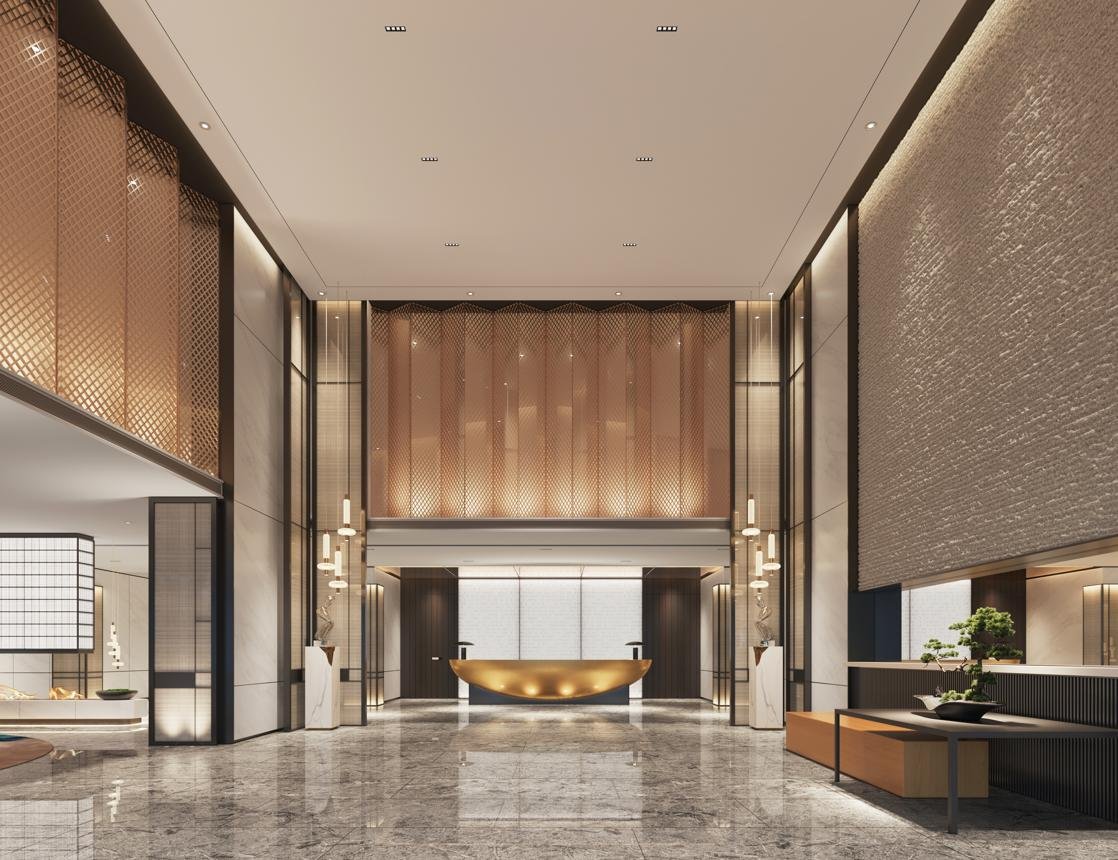
In the building and lodge sector, there’s a harmony between appearance and efficiency. Hotels, restaurants, offices and public spaces can use frequently, need regular cleaning and require minimal downtime.
Designers, contractors, facility managers and suppliers can be involved in project teams to help improve project results from the planning stage onward. Specifications that are clear, transparent and easy to understand explain to all the chosen materials, the standards expected during installation, and the quality of the finish.
In hospitality spaces, also take into account the ease of cleaning, the speed of repairing damaged elements and availability of replacement materials.
The following are common mistakes to avoid:
There are a number of typical problems that can impact the quality and expense of interior work:
Choosing materials for their appearance or for the initial expense.
Failing to take account of ventilation and moisture issues, and failing to consider surface preparation.
Not matching finishes with the lighting and furnishings.
Ordering materials prior to measurement/specification.
- Keeping track of cleaning, repair and replacement requirements.
Not following manufacturer’s instructions and safety guidelines.
Failure to ensure work is completed prior to handing over.
By planning it out and taking into account the material choices and recording them, problems can be avoided.
Conclusion
Interior finishes and building interior environments affect the appearance, feel, performance and ageing of the spaces. Property owners and project teams can choose materials for these rooms with an understanding of the use of the room, durability of materials, maintenance needs, safety considerations, cost, and design coordination.
But not all the best finishing experience may be the most expensive. They are the materials and detail that work for the purpose of the building and that offer a functional relationship between look, performance and longevity.
Frequently Asked Questions
What are the most common types of building finishes?
These are typically: flooring, wall finishes, ceiling systems, paint, doors, windows, lights, cabinetry and decorative finishes.
How to choose durable finishes for inside?
Consider the purpose of the room, the use it is intended for, moisture, ease of clean up, manufacturer’s specifications and maintenance needs.
What finished materials are suitable for use in hotels/hospitality areas?
As far as material, hospitality projects can often use a durable and tough material that will fit in with the design concept and will comply with applicable safety and accessibility concerns.
Why is surface preparation important prior to finishing?
If materials have been prepared properly, they will adhere and will help to reduce surface defects such as peeling paint, uneven surfaces and early failures in finishes.
Should interior finishes be determined prior to construction?
Early Planning Completion can help size, service, budget, procure and schedule for installation. Final decisions to be taken in consultation with the project team.
Is all the time, money spent on finishing materials worth it?
The purchase price will not be the most important, often the suitability, installation, durability, maintenance and life-cycle cost will be far more important.
 williamkevin